Research Projects
Causal Estimation and Optimization for Data-Driven Retail Staffing Management
University of Toronto, Toronto, Canada

This project develops a Causal Estimation and Optimization framework for retail staffing management in collaboration with a major Canadian retailer. The study estimates the causal impact of staffing levels on sales while accounting for store-level and time-specific heterogeneity, customer traffic, inventory, promotions, operating hours, and labor composition. By combining Double Machine Learning, instrumental-variable selection, time-series forecasting, and distributionally robust roster optimization, the framework identifies overstaffed and understaffed store-days and recommends staffing adjustments that improve expected sales and profitability under forecast uncertainty.
Research focus: causal inference, machine learning, retail operations, and robust optimization
with Opher Barron, Sheng Liu, Vahid Sarhangian
Enhancing Donor Accessibility Management for Blood Services with Data
University of Toronto, Toronto, Canada

This project studies data-driven donor accessibility management for blood collection services. The work models how permanent and mobile clinics affect appointment access, donor transitions, retention, reactivation, and long-term donor-base growth. Donors move among prospect, resting, active, and lapsed states, with booking, show-up, entry, and attrition behavior shaped by distance to clinics and available capacity. The framework evaluates how clinic location, operating duration, capacity allocation, and promotional effort should be managed to balance reliable short-term collections with the development of new or less stable donor segments.
Research focus: donor-flow modeling, healthcare operations, mobile clinic deployment, and dynamic capacity planning
with Philipp Afeche, Dmitry Krass, Sheng Liu
Heterogeneity of single-cell Hi-C DNA data Analysis
University of Toronto, Toronto, Canada
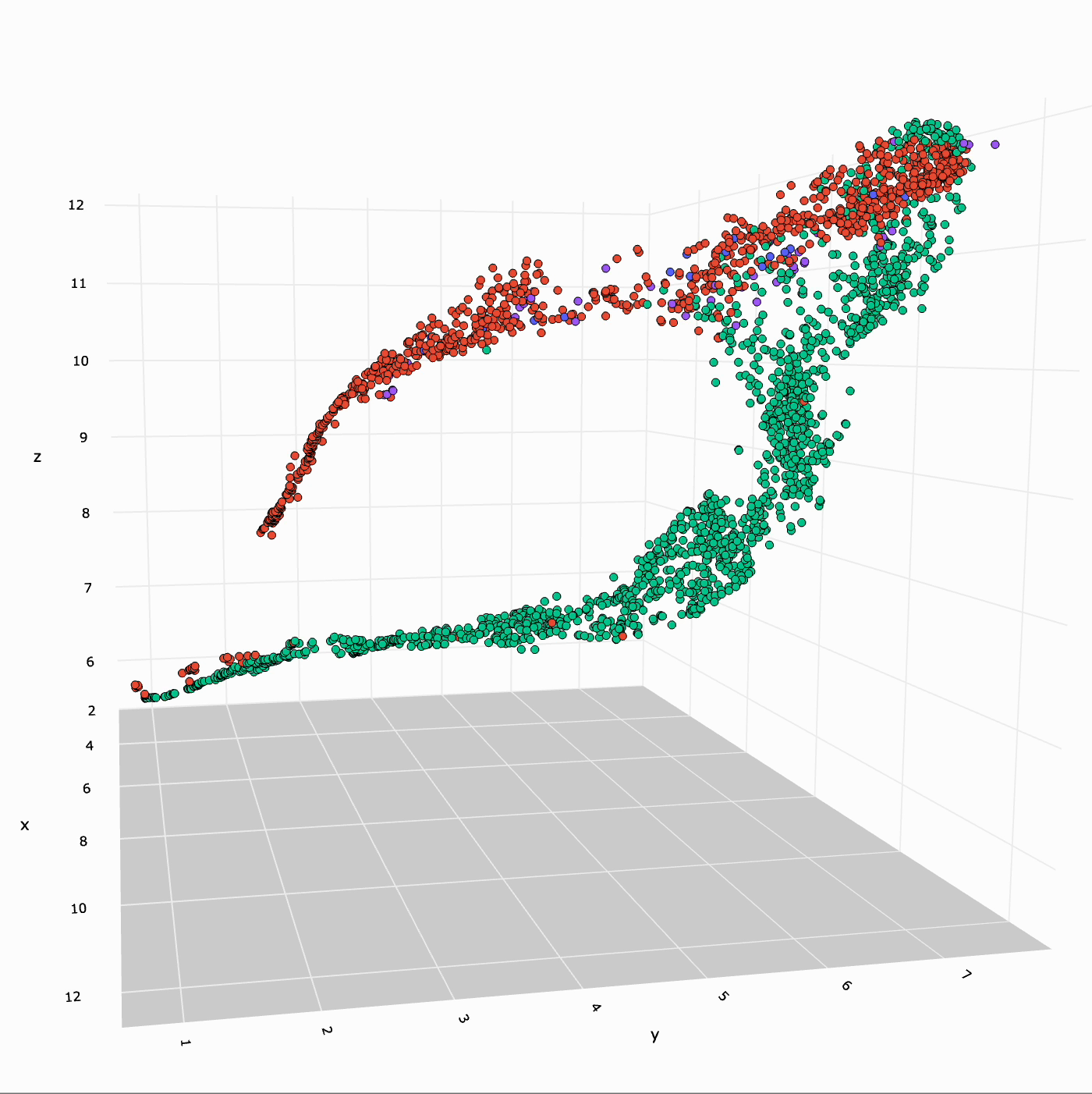
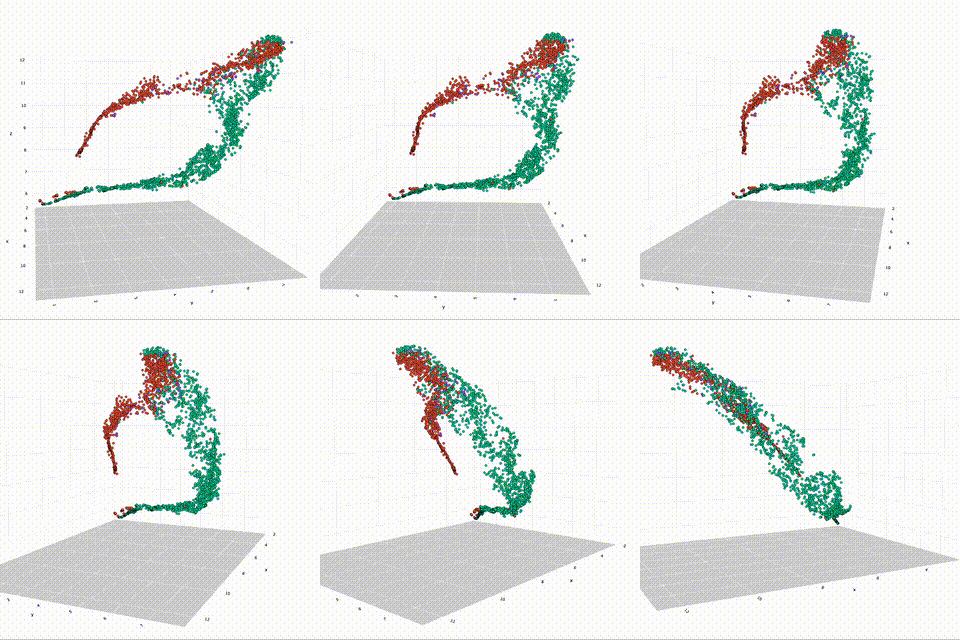
This research focuses on the heterogeneity of single-cell Hi-C DNA data to explore the quantitative methods for classifying different types of single cells based on DNA Hi-C data and contact matrices. Large amount of data cleaning and transformation is performed on the original dataset, different methods of dimension reduction are applied, including Principle Component Analysis, t-SNE, UMAP, with clustering techniques such as K-Means performed on lower dimension representations.
Supervisor: Elena Tuzhilina
ReportInfinitesimal Jackknife Standard Errors under Model Misspecification
University of Toronto, Toronto, Canada
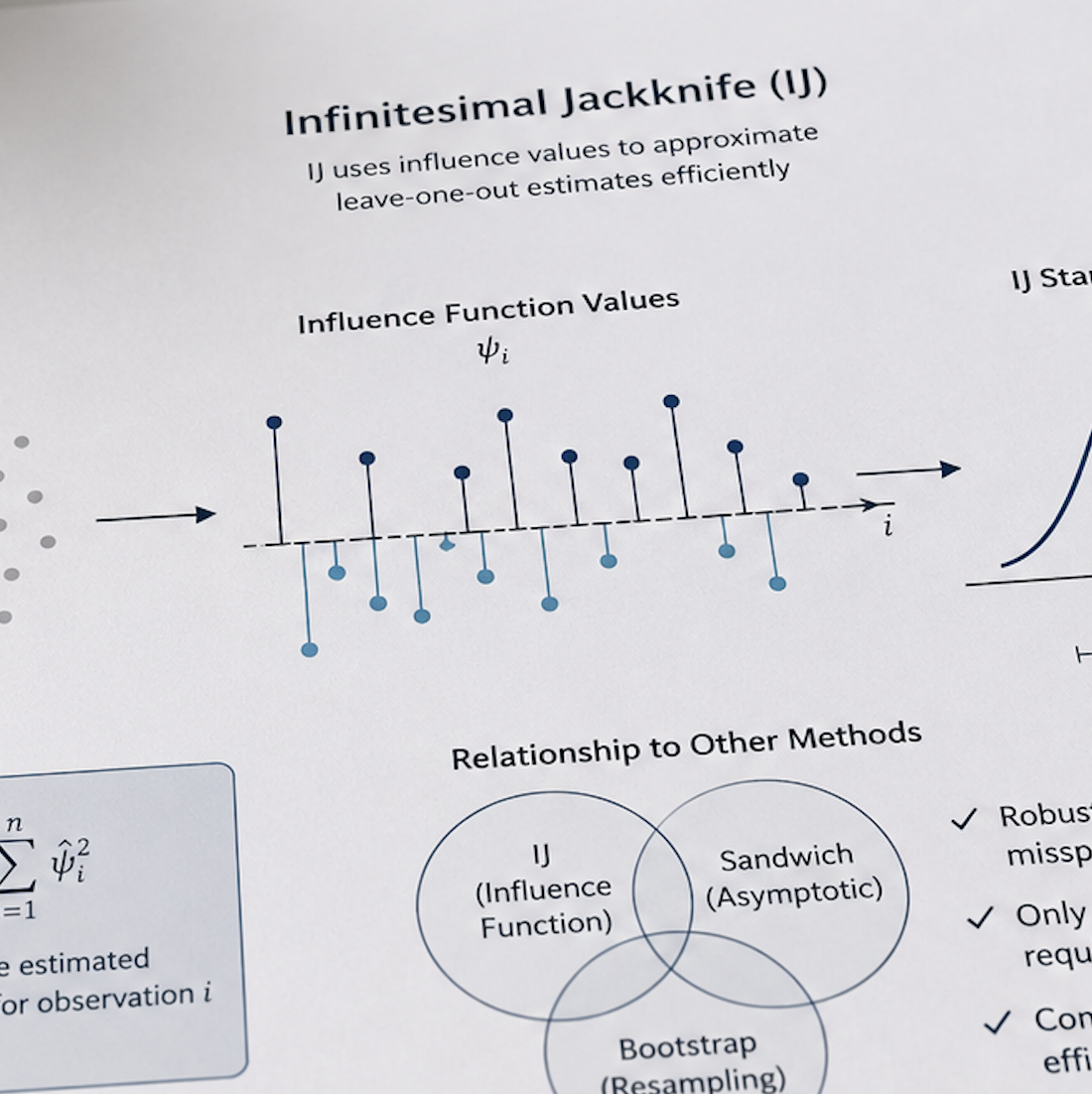
This project studies the infinitesimal jackknife (IJ) as a tool for robust uncertainty quantification when statistical models are misspecified. We examine how influence-function-based IJ standard errors relate to sandwich estimators and the bootstrap, extend the method to clustered data and Bayesian posterior functionals, and evaluate performance through Monte Carlo simulations under clustered dependence and heteroskedastic errors. The simulations show that IJ maintains near-nominal coverage while requiring only a single model fit, making it substantially more efficient than cluster bootstrap in finite samples.
Research focus: robust inference, influence functions, model misspecification, and computational statistics
with Nanyu Luo, Feng Ji
ManuscriptMulti-agent LLM for Mental Health Diagnosis
University of Toronto, Toronto, Canada
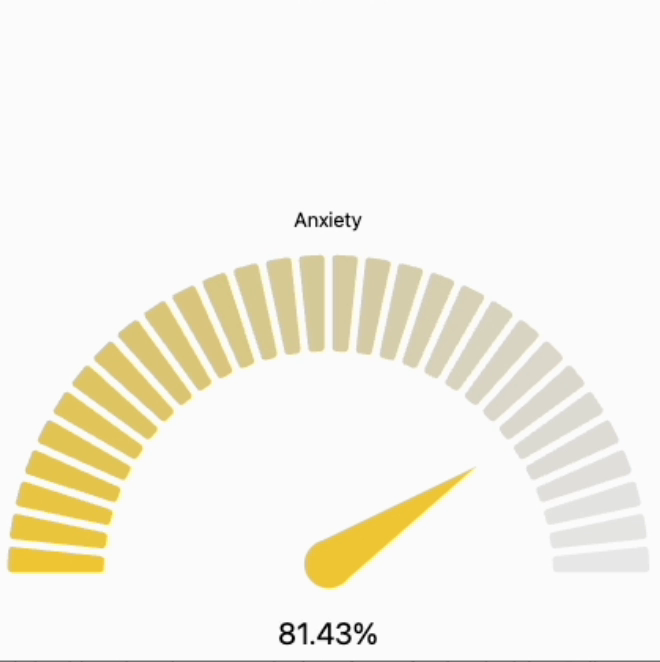
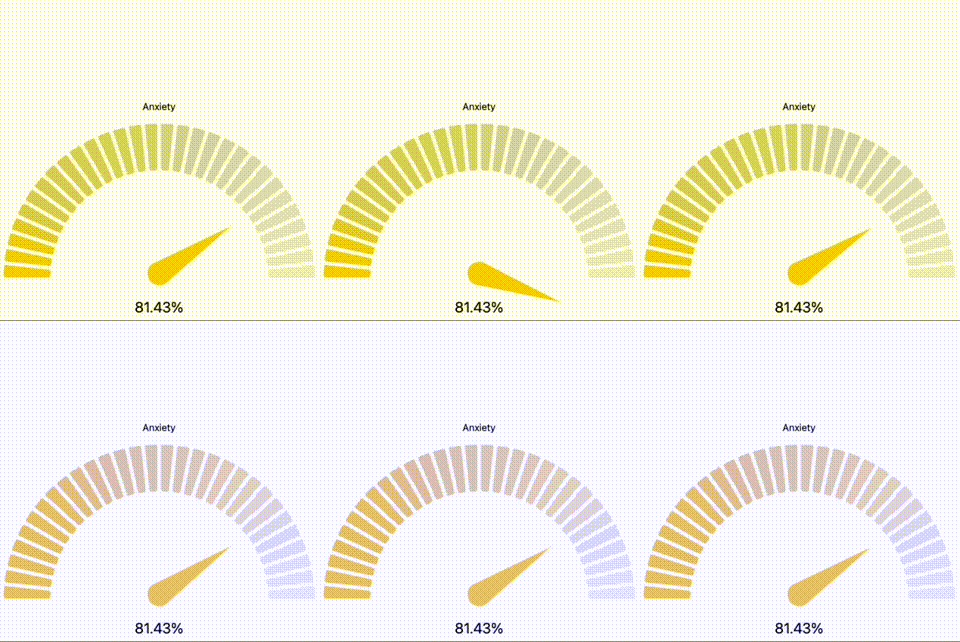
This project involves the development of a multi-agent framework using LLMs to simulate a therapist's role in mental health diagnosis. The goal is to establish a framework that can mimic a therapist by interacting with users and analyzing responses to provide insights into their mental health. My contributions to this project included working on both the backend and frontend development, as well as the prompt engineering for the models. I also conducted experiments to evaluate the performance of the models and the overall system.
Supervisors: Bill Yuanhong Sun, Kang Lee
Demo Video (Public demo will be released soon.)Multi-class Anxiety Prediction Approximation for Long Assessments
University of Toronto, Toronto, Canada
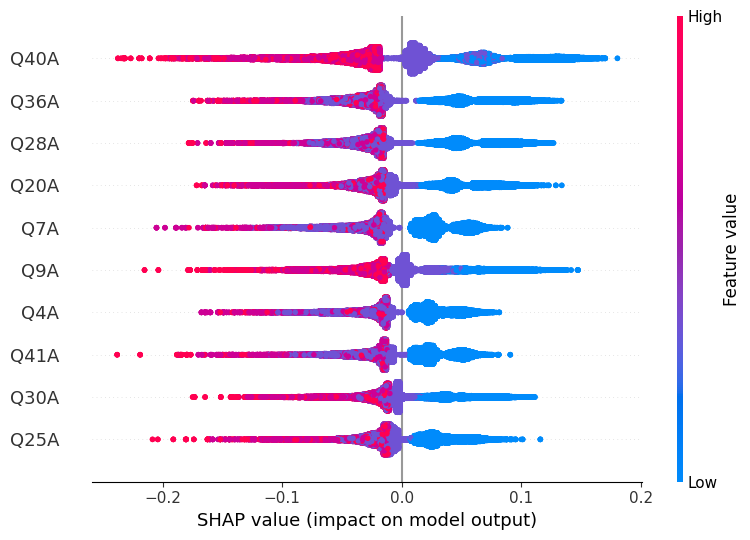
This research introduces a novel approach for predicting multi-class anxiety levels through a machine learning framework designed to handle long assessments. We developed a model that shortens lengthy assessments while maintaining high accuracy. This approach demonstrated robust performance through validations, highlighting potentials for practical application in clinical and research settings. This study shows the importance of using machine learning models to enhance the efficiency and accuracy of mental health analysis.
Supervisors: Bill Yuanhong Sun, Kang Lee
Poster PaperLeaky Emotion in Social Psychology by Reinforcement Learning
University of Toronto, Toronto, Canada
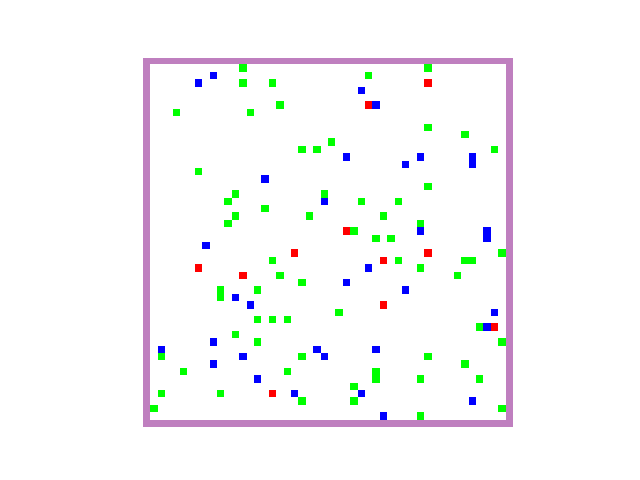
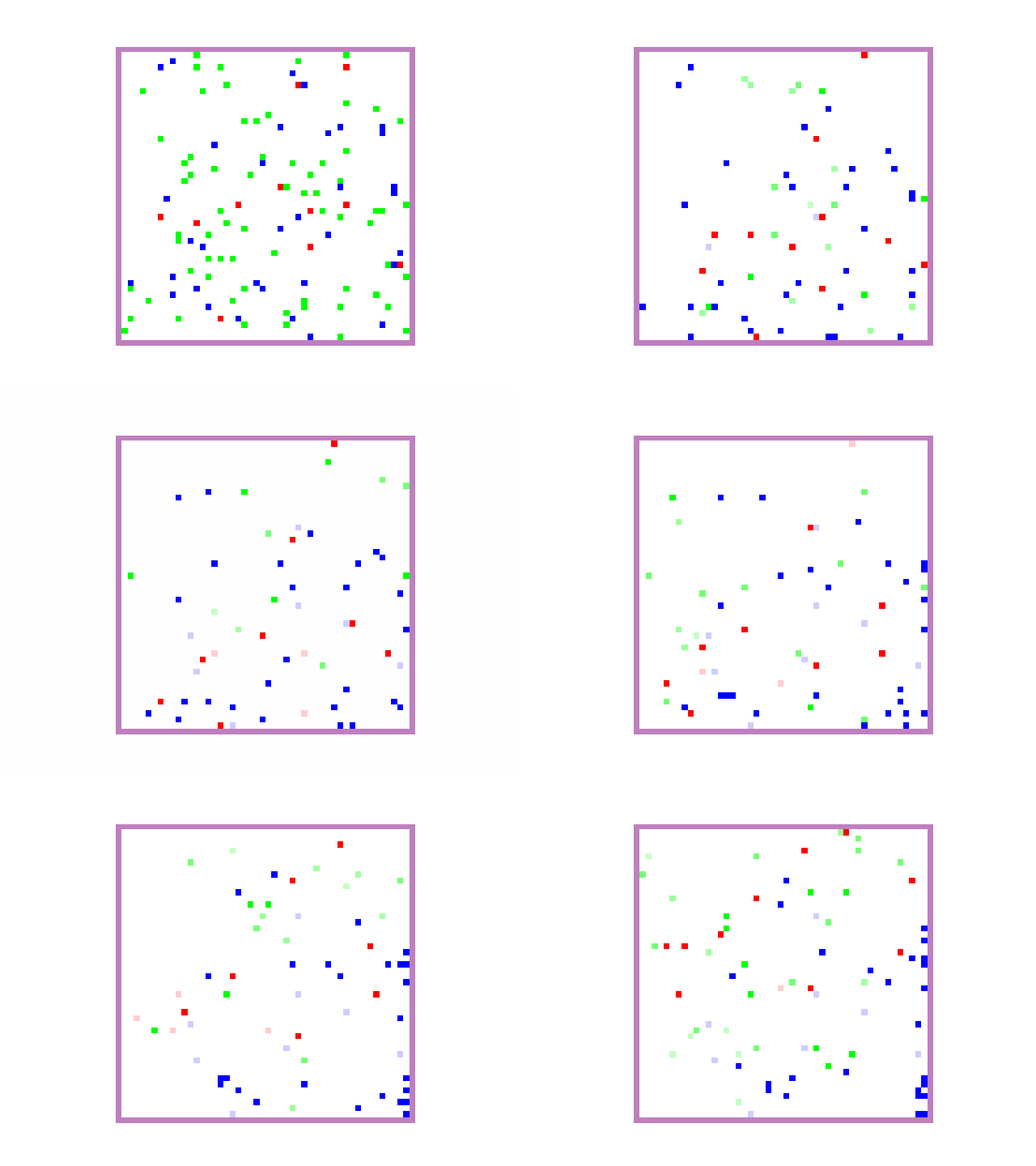
This project explores the impact of emotions on the behavior of agents in a social setting using reinforcement learning. The study employs a gaming environment where agents share information about the location of wolves to avoid predation. By fine-tuning the model, the research aims to show how leaked emotions through communication can enhance benefit among agents. Key tasks included designing visuals for the training process, optimizing game logic, and apply heatmaps to validate various social cognition theories.
Supervisor: William Cunningham
Real-Life Data Modeling with the Modified Burr III Odds Ratio–G Distribution
University of West Florida, Pensacola, USA
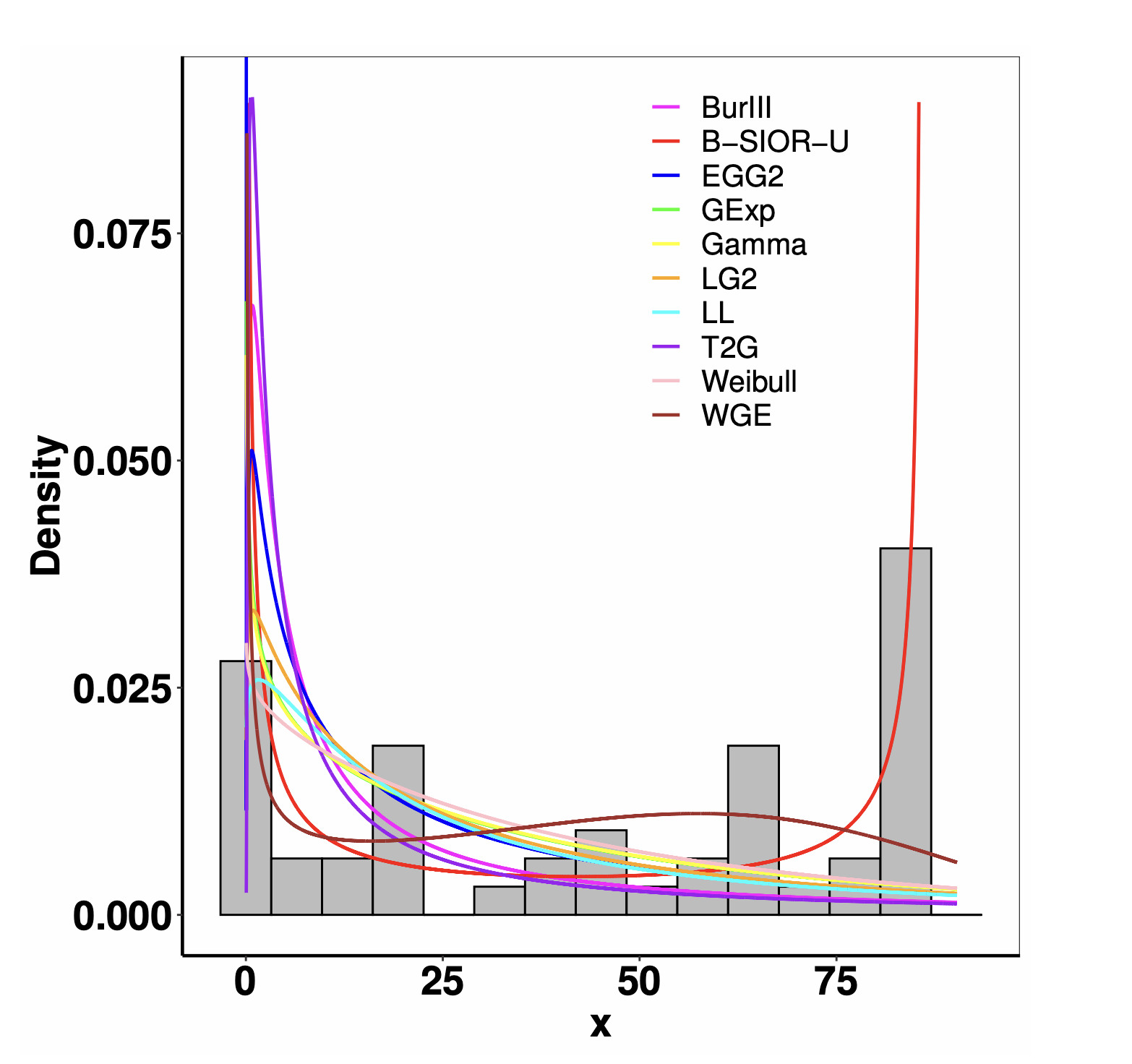
This research presents the modified Burr III Odds Ratio–G distribution, a novel model that integrates odds ratio with Burr III distribution. Focusing on the Burr III Scaled Inverse Odds Ratio–G subclass, this model enhances flexibility and predictive accuracy. The study explores the mathematical properties of the distribution, including hazard rates, quantiles, and moments by proofs. Rigorous simulations confirm the robustness of the model, and its application to datasets demonstrates its efficacy compared to established distributions.
Supervisor: Shusen Pu
Paper